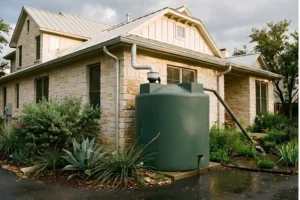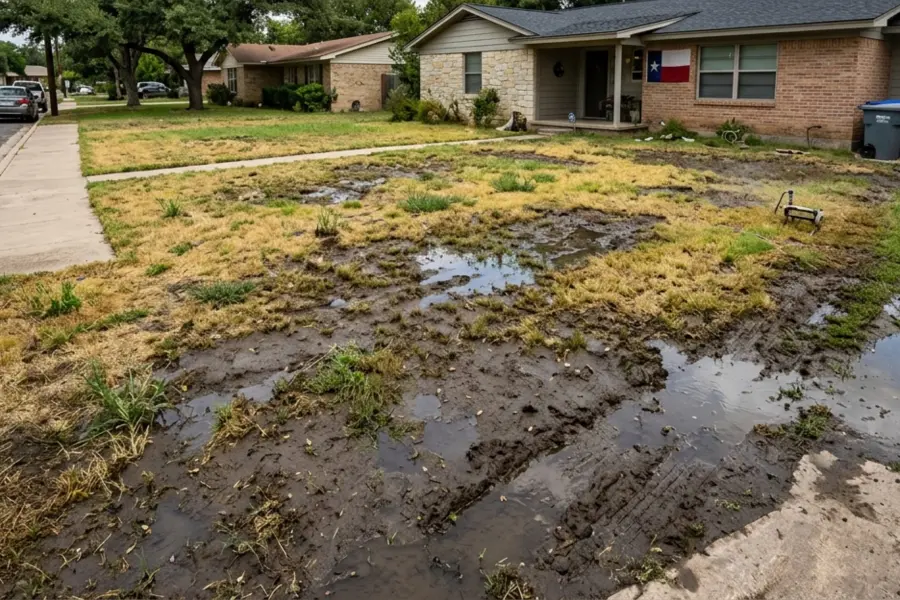
Around Austin, we get all kinds of weather. One week, the ground is dry and cracked. The next week, we get heavy rain that turns parts of the yard into a muddy mess. Over the years at Austex Sprinklers, we have worked on many drainage problems that started small and later turned into expensive repairs. Many homeowners looking for drainage contractors near Austin reach out after noticing persistent puddles, soggy grass, or water collecting in areas that never seem to dry out.
We just installed a drainage system for a homeowner in South Austin who thought a few puddles were no big deal. A few months later, water started getting close to the house foundation, and the lawn stayed soaked for days. That is pretty common around here, especially with our clay soil.
Your yard usually gives warning signs before things get really bad. The trick is spotting those signs early.
Why Does Water Stay In Some Austin Yards?
Austin Soil Holds Water Longer
A lot of homes in Austin sit on clay-heavy soil. Clay does not soak up water very fast. After rain, water can sit under the grass and slowly accumulate beneath the surface.
Poor Drainage Design Causes Trouble
Sometimes, older homes were built without enough drainage. We also see yards where the slope pushes water toward the home instead of away from it.
Broken Pipes Underground
We just worked on a property where an underground drain pipe had cracked from tree root pressure. The homeowner thought the sprinklers were leaking, but the real problem was hidden under the lawn.
What Are The Most Common Warning Signs Of Underground Drainage Problems?
Does Your Lawn Stay Wet For Days?
One of the first signs is soggy grass that stays wet long after the rain is gone. If parts of your lawn feel soft and squishy for days, water may be trapped underground.
Standing water can slowly kill grass roots and create bare spots in the yard.
Soft ground often means water is collecting below the surface, where it cannot drain out.
Are There Random Muddy Spots In The Yard?
Mud patches usually point to underground water problems. These spots may look small at first, but they often spread over time.
We just repaired a backyard in Round Rock where the owners could not mow one corner of the lawn because the tires kept sinking into mud. The drain line underneath had collapsed.
Is Your Grass Turning Yellow?
Too much water can hurt grass just as much as dry weather.
Yellow grass may mean roots are drowning from trapped moisture underground.
Thin grass growth often happens when the soil stays packed with water for too long.
A lot of homeowners think they need more sprinkler water when the real problem is poor drainage.
Can Drainage Problems Damage Your Home?
Water Near The Foundation Is A Big Red Flag
This is the part that worries us the most. Water should always move away from your home.
If water pools near the slab or foundation, it can slowly shift the soil around your house. In Austin, shifting soil is already a challenge because of the clay soil.
Foundation cracks may start showing up around doors, windows, or exterior walls.
Water stains near the base of the home can point to drainage trouble outside.
Bad Smells And Mosquitoes Can Show Up
Wet soil and standing water attract bugs fast in Texas heat.
We have seen backyards where trapped water created a strong, swampy smell during summer afternoons. Mosquitoes love these wet spots too.
Why Do Drainage Problems Get Worse Over Time?
Tree Roots Keep Growing
Austin trees are beautiful, but their roots can crush or block underground pipes. Once water flow slows down, the soil gets wetter, and pressure builds up.
Heavy Rain Makes Small Problems Bigger
A tiny drainage issue may not seem serious during dry weather. Then a strong storm rolls through, and suddenly half the yard floods.
That happens a lot during spring storms around Central Texas.
Soil Movement Can Shift Pipes
The ground in Austin expands when wet and shrinks when dry. That movement can slowly pull pipes apart underground.
We just replaced a damaged drain line where the pipe joints had separated after years of soil movement.
How Do We Fix Underground Lawn Drainage Problems?
Every yard is different, so the fix depends on what is happening below the surface.
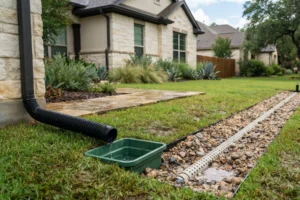
French drains help move trapped water away from problem areas underground.
Channel drains collect surface water before it floods patios or walkways.
Pipe repairs fix broken underground drainage lines that are leaking or blocked.
Proper grading helps water flow away from the home instead of toward it.
At Austex Sprinklers, we check the full yard before starting work because drainage problems usually connect to more than one issue.
How Can Homeowners Spot Problems Early?
Walk your yard after heavy rain and pay attention to areas that stay wet longer than the rest.
Look for grass color changes, muddy spots, standing water, or water collecting near the home. Even small warning signs can point to a bigger underground problem.
The sooner drainage problems are fixed, the less damage they usually cause.
Water near the foundation, persistent puddles, and poor runoff are often early indicators of larger drainage issues below the surface.
Homeowners who want to better understand how stormwater runoff affects residential properties can review the EPA’s Soak Up the Rain resources, which explain how excess water moves through a landscape and why proper drainage is important for protecting lawns, foundations, and outdoor living areas.
Frequently Asked Questions About Drainage
1. Can underground drainage problems kill grass?
Yes. Too much water can drown grass roots and stop healthy growth. Wet soil also makes it harder for grass to get oxygen.
2. Can drainage problems damage my foundation?
Yes. Water sitting near the home can slowly shift the soil around the foundation. Over time, cracks and movement can happen.
3. Can a drainage system help stop yard flooding?
Yes. A properly installed drainage system moves water away from the lawn and home. This helps keep the yard drier after heavy rain.
What Should You Do If Your Yard Has Drainage Problems?
Drainage problems rarely fix themselves. Most of the time, they slowly get worse underground while the signs above ground become easier to spot. Wet grass, muddy areas, standing water, and foundation trouble are all warning signs that should not be ignored.
At Austex Sprinklers, we have spent years helping Austin homeowners solve drainage problems before they turn into costly repairs. We just do this work every day, and we know how fast Texas weather can put stress on a yard.
If your lawn stays wet, smells bad, or floods after rain, give us a call at (512) 721-8564. Our team can inspect the yard, find the source of the problem, and help protect your property from water damage.