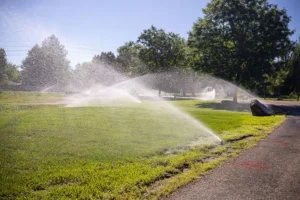
Here in Austin and around Central Texas, rain never comes on a schedule. One week it’s bone dry, the next we get a big rain that floods the street. At Austex Sprinklers, we’ve been helping homeowners manage that swing for years as experienced rainwater harvesting contractors.
Just last month, we installed a residential rainwater collection system in Dripping Springs that now feeds directly into irrigation systems. Folks are always asking if rainwater harvesting really works here. The short answer is yes, and it works very well when done right.
Can rainwater harvesting be connected to irrigation systems in Austin?
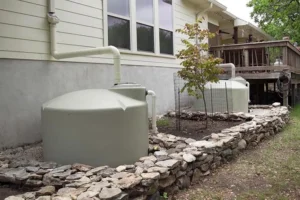
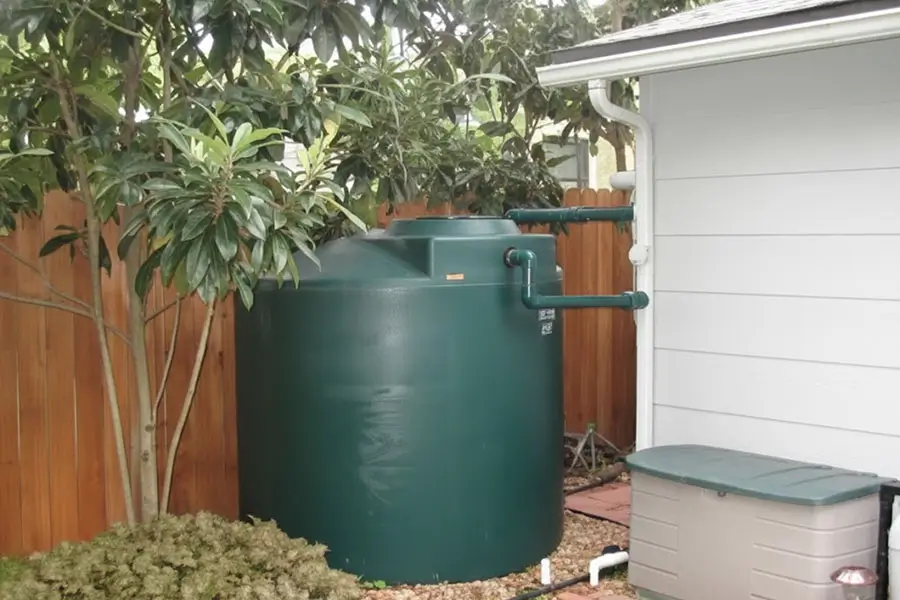
Yes, rainwater harvesting systems can be tied into irrigation systems in Austin. We design and install systems that collect rainwater from the roof, move it through a gutter and downspout setup, and store it in a rainwater tank or cistern. From there, a pump system sends harvested rainwater into irrigation lines.
How does the connection work?
A roof collection area and gutter system mean rainwater is captured the moment rainfall hits your home.
First-flush or first-flush diverter pushes out the dirty water from the start of a rain event.
Cistern or rain barrel storage holds clean water until it is needed for irrigation.
This setup works throughout the Texas Hill Country and around Austin because rainfall, even in short bursts, can add up fast.
How much water can a home collect from rainwater?
A lot more than most folks think. One inch of rain on a 1,000 square foot roof can collect about 623 gallons of rainwater. We’ve seen a home can collect thousands of gallons during a big rain.
Per-gallon savings add up fast when you are using rainwater instead of municipal water.
Larger cistern options from 500 to 2500 gallons help capture more rainwater.
Corrugated metal or shingle roofs both work well for rainwater catchment.
This is why rain harvesting makes sense around Austin, San Marcos, and the Texas Hill Country.
Is rainwater safe to use for irrigation?
Yes, harvested rainwater is great for irrigation. Rainwater in Texas is naturally soft and free from many chemicals found in municipal water. It helps with water conservation and protects water quality.
What about potable use?
Most systems we install are non-potable, meaning they are not used for drinking. Potable rainwater systems are possible, but they need extra filtration and follow Texas Water Development Board rules. For irrigation, non-potable rainwater is a smart and safe water source.
What makes rainwater systems popular in Central Texas?
Unpredictable rainfall makes collecting rainwater useful during dry weeks.
City of Austin rebate programs help lower installation costs.
Hill Country rainwater rules support residential rainwater systems, not banning rainwater harvesting installations.
Texas House Bill rules protect your right to harvest rainwater, and rebate programs make upgrading from a rain barrel easier.
Can rainwater work with existing irrigation systems?
Yes, and we do this often. We just installed a system in Austin where harvested rainwater blends with well water and municipal water. A smart diverter and overflow setup keeps everything running smoothly.
System design details we focus on
Pump system sizing keeps pressure steady.
Overflow routing sends extra stormwater away from the home.
Drainage systems protect the foundation during heavy rainfall.
This kind of customized rainwater harvesting works well in systems in Austin and across the Texas Hill Country rainwater areas.
Is a rain barrel enough, or do you need a cistern?
A rain barrel is a good start, especially for DIY projects. Still, most homeowners we help move to a larger cistern once they see how much water they can collect.
The rain barrel holds a limited number of gallons and fills fast.
Larger cistern supports irrigation systems longer between rain events.
Raincache and IWS products give solid storage options.
Upgrading from a rain barrel gives better control over the water supply.
Why we recommend rainwater collection for Austin homes
Rainwater harvesting supports water conservation and helps reduce strain on city water systems during long dry stretches. Many homeowners don’t realize how much of a difference captured rainwater can make when drought conditions set in, especially for keeping landscapes healthy.
Using rainwater also helps protect clean water resources and supports smarter, more sustainable water practices across Texas communities.
We design and install residential rainwater collection systems that are sized to each home’s roof, collection potential, and irrigation needs, so homeowners are better prepared before water restrictions ever become an issue.
Frequently Asked Questions About Residential Rainwater Collection Systems
Can rainwater be used for irrigation year-round?
Yes. Stored rainwater can be used anytime, as long as the cistern has water. During dry spells, systems can switch back to municipal water.
Do rainwater systems need permits in Austin?
Yes. The City of Austin has guidelines, but rainwater harvesting is allowed. Rebates often require proper installation and inspection.
Is rainwater better than well water for irrigation?
Yes. Rainwater is naturally soft and gentle on plants and soil. It also helps protect water quality over time.
Ready to use rainwater for irrigation?
Rainwater collection systems work well with irrigation in Austin, TX. They save water, cut utility costs, and make use of rainfall that would otherwise become runoff. At Austex Sprinklers, we install systems built for Texas Hill Country weather and soil.
If you’re thinking about rainwater harvesting, give Austex Sprinklers a call today at (512) 721-8564. Let’s talk about your home, your roof, and how much water you could harvest.