Outdoor lights make a home feel safe and welcoming. They also help you see steps, paths, and driveways at night. Here in Austin, where outdoor lighting contractors deal with intense heat, sudden storms, and sprinkler overspray, we see how quickly those conditions can wear down fixtures and loosen wiring if systems aren’t maintained properly.
At Austex Sprinklers, we work outside every day. We just finished a lighting install on a West Austin home, and the homeowner asked, “Do I really need to maintain these?” Our answer: Yes—routine maintenance can stop the most common lighting problems before they start. And it doesn’t have to be hard.
What outdoor lighting problems do we see most in Austin?
Why do lights flicker or go dim?
Flickering usually means a loose connection, a tired bulb, or water getting into a socket. Dimming can also happen when wires are nicked or when a low-voltage transformer is struggling.
Why do lights stop working after a storm?
Austin storms can push water into fixtures and shift soil around cables. Wind can also tug on wiring, especially near trees and fence lines.
Here are the problems we see a lot on service calls:
Loose connection: A wire nut or clip can wiggle free over time and cause on-and-off lighting.
Water in a fixture: Rain, sprinklers, or pooling water can sneak inside and trip the system.
Sun damage: Texas sun can crack plastic lenses and dry out seals until they leak.
Cut cable: Edging, digging, pets, or roots can nick a wire and kill a whole section.
Tilted lights: Soil shifts after rain, and fixtures start shining into your neighbor’s window (awkward).
How does Austin’s weather and soil cause lightning issues?
What does heat do to outdoor lights?
Our long, hot months make materials expand and shrink. That movement can loosen screws and connections. Heat also makes cheap parts wear out faster.
How does clay soil affect wiring?
Austin has lots of clay. Clay swells when it’s wet and shrinks when it’s dry. That push-and-pull can tug on buried cables and slowly stress connections.
A few local troublemakers to watch:
Summer heat: It can dry out seals and crack covers.
Sudden downpours: It can flood low spots and soak fixtures.
Clay soil movement: It can shift lights out of place and strain wires.
What routine maintenance tasks prevent most outdoor lighting failures?
How often should outdoor lights be checked?
A quick look once a month is plenty for most homes. Then do a deeper check about 2–4 times per year, especially after heavy rain or yard work.
What should homeowners check first?
Start with what you can see and touch safely—no digging needed.
Try these simple checks:
Lens cleaning
Wipe dirt off lenses so the light doesn’t look weak even when it’s fine.
Fixture alignment
Aim lights where they belong so they do their job and don’t glare.
Bulb check
Replace bulbs that are dark, flickering, or different in color.
Connection check
Make sure fixtures feel snug and not wobbly at the base.
Spray check
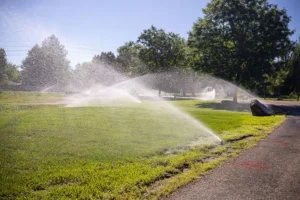
If a sprinkler head is blasting a light, adjust the head or the light placement.
If you have low-voltage lighting:
Transformer check: Look for a “dead” zone where several lights are out at once. That can point to a transformer, timer, or main connection issue.
Wire look-over: Scan for exposed wire near mulch, rocks, or edging lines.
When should you call a pro instead of doing it yourself?
What signs mean it’s not a simple bulb problem?
If one bulb is out, that’s usually easy. If a whole group is out, or lights keep failing, something deeper is going on.
Call us when you notice:
Repeated burnout: Bulbs popping often can mean wrong voltage or a failing transformer.
Tripped breaker or GFCI: That can signal water intrusion or a damaged wire.
Melted parts or scorch marks: That’s a safety issue—stop using the system.
Wet fixtures: If water keeps showing up inside, seals may need repair or replacement.
At Austex Sprinklers, we just worked on a home where “half the yard lights died.” It wasn’t magic—just one damaged cable under a walkway. A clean repair and better waterproof connections brought everything back.
How does maintenance help with safety and saving money?
Does maintenance really reduce repair costs?
Yes. Small fixes cost less than replacing fixtures, transformers, or long runs of cable.
Does it help with home security?
Yes. A dark entryway or driveway is not what you want at night. Working lights help people see where they’re stepping and help you spot movement around your home.
Maintenance pays off in plain ways:
Fewer surprises
You catch problems before they turn into full-outages.
Longer system life
Seals, wires, and fixtures last longer when kept clean and dry.
Better light quality
Clean lenses and proper aim make the lighting look sharper.
Frequently Asked Questions About Outdoor Lighting
Can routine maintenance stop outdoor lights from flickering?
Yes. Flickering is often caused by loose connections or water in a socket. Regular checks catch those problems early.
Should I inspect outdoor lights after a big Austin storm?
Yes. Storms can shift fixtures, soak connections, and damage wires. A quick check can prevent a bigger repair later.
Can sprinklers cause outdoor lighting problems?
Yes. Constant spray can push water into fixtures and wear out seals faster. Adjusting the spray direction helps a lot.
Keep your outdoor lights steady, safe, and bright.
Routine maintenance really can prevent most outdoor lighting issues in Austin. Our heat, storms, and shifting soil are tough, but a few smart checks each season keep your system running strong and help you avoid the common design and performance problems homeowners run into when different lighting styles are combined without a clear plan.
If you’d like a hand, call Austex Sprinklers at (512) 721-8564. We’re family-owned, BBB A+ rated, and we’ve been serving Austin-area homes for years. We’ll inspect your setup, fix what’s failing, and help your lights stay on when you need them most.